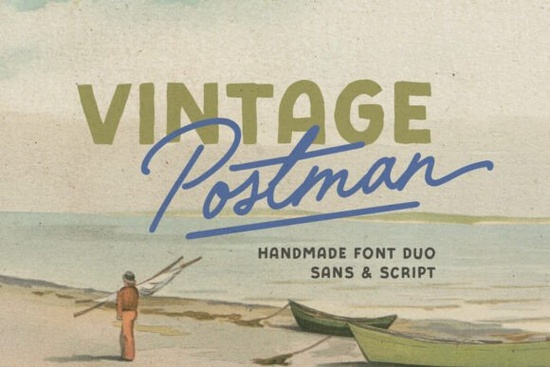
If you are searching for a typeface that captures a nostalgic feel without sacrificing readability, you have likely encountered the Vintage Postman Font. This design tool bridges the gap between functional typography and artistic flair, making it a solid choice for creators who want their projects to stand out immediately. Whether you are running a small print-on-demand business or working on personal scrapbooking layouts, having a reliable vintage asset on hand saves hours of searching through stock libraries. It is specifically built to handle designs that require a warm, aged atmosphere while remaining crisp in digital formats.
What distinguishes this font duo?
Many retro fonts rely solely on decorative serifs to convey age, which can sometimes reduce legibility at smaller sizes. Vintage Postman takes a different approach by pairing a bold sans-serif with a monoline script. This combination gives you flexibility when building a layout. The sans-weight provides strong stability for headlines, acting as an anchor for your design. Meanwhile, the monoline script adds movement and personality to subheaders or accents. Because both fonts share a similar thickness and stroke weight, they blend together seamlessly without clashing.
This duality is especially helpful when creating brand identities for bakeries, cafes, or boutique clothing lines. You can use the sans option for the main company name to ensure clarity across social media avatars and large signage. The script works well for taglines, dates, or welcoming messages that benefit from a handwritten touch. With alternates included in the character set, you can switch up the shape of certain letters to break up repetitive patterns in your artwork.
Where should you apply this style?
Design trends cycle regularly, and vintage aesthetics have remained consistent over recent years because they evoke trust and craftsmanship. This specific font set supports multilingual characters, which means you can localize your content for international audiences without swapping families. Print-on-demand sellers often use these files to generate mockups for apparel, tote bags, and coffee mugs. The high contrast between the heavy weights ensures that the text remains visible even on dark backgrounds or textured materials.
When creating marketing materials like flyers or event posters, the retro vibe helps the viewer associate the message with authenticity. However, you do not need to limit yourself to old-style imagery. You can also integrate this type into modern web graphics to create a juxtaposition that feels curated rather than dated. Just remember to keep spacing generous; tight kerning can ruin the airy feel that monoline scripts typically provide.
How does it compare to other script families?
Exploring different typefaces allows you to refine your eye for detail and find the right fit for specific project needs. While Vintage Postman leans toward a structured, slightly industrial look, other collections offer varying levels of formality. For example, Quincy script brings a looser, more contemporary edge to handwritten elements. That might be preferable if your target audience skews younger or if you are designing promotional assets for summer festivals.
If your goal involves softer themes, such as baby announcements or greeting cards, checking out Child fonts might give you a playful alternative. These styles often feature rounded terminals and whimsical curves that communicate innocence. Conversely, for more vibrant and bold statements, Rainbow font script offers a lively energy that pops against colorful backdrops. It is useful when you need to grab attention quickly without relying heavily on illustrations.
Sometimes you need something elegant yet grounded. A set like Randy Sofia script pairs perfectly with luxury branding or wedding invitations where grace matters more than grit. On the other hand, if you are targeting fall-themed projects, Farmhouse Pumpkin script resonates strongly with seasonal decor and harvest motifs. Each family serves a distinct emotional purpose, so reviewing them side-by-side can help you decide which voice matches your message best.
Are there technical requirements to consider?
Before downloading, ensure your software handles OpenType features correctly. Most major graphic editors accept standard OTF or TTF formats without issue. The key advantage of including ligatures is the ability to connect letters smoothly, removing gaps that can appear awkward between characters like 'st' or 'th'. Multilingual support is another critical factor, particularly for merchants selling globally. If your client base includes non-Latin regions, verify whether extended character sets are needed, though this particular family covers many Western European languages.
Always test render your designs at actual size before printing. Screen resolution differs from print density, and thin strokes may disappear if scaled down too far. Keeping the file organized in a folder dedicated to vintage assets makes future updates easier. You do not need to install extra plugins to use basic characters, but advanced typographic controls will maximize the potential of the alternate glyphs included.
- Identify the core vibe: Decide if the project needs bold authority or fluid creativity first.
- Pair strategically: Use the sans for headlines and the script for accents to maintain balance.
- Test contrast: Ensure white text on dark backgrounds or vice versa remains readable.
- Check dimensions: Verify file compatibility with your specific design software version.
- Preview alternatives: Compare with similar scripts like Quincy or Rainbow to see what fits your niche.
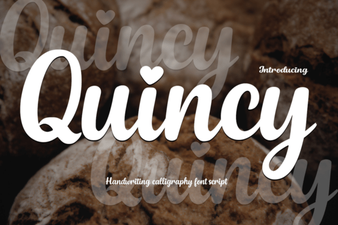 Quincy Font for Creative Web Design Projects
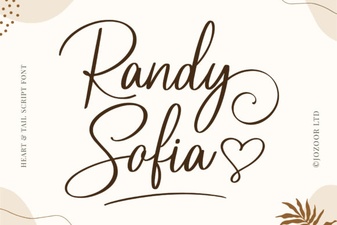 Randy Sofia Font for Creative Projects
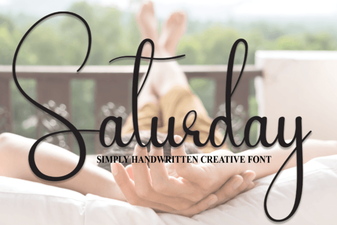 Saturday Font: Creative Design Ideas for Weekend Projects
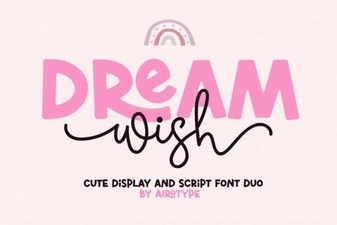 Dream Wish Font: Creative Typography for Designers
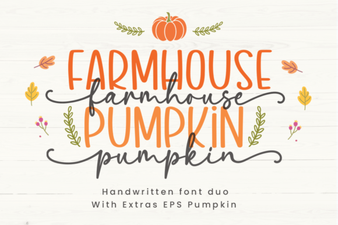 Versatile Pumpkin Fonts for Rustic Design Projects
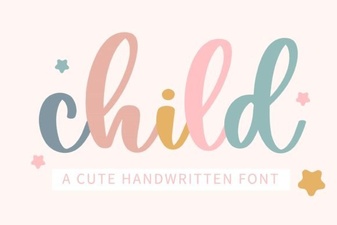 Creative Font Ideas for Children's Projects