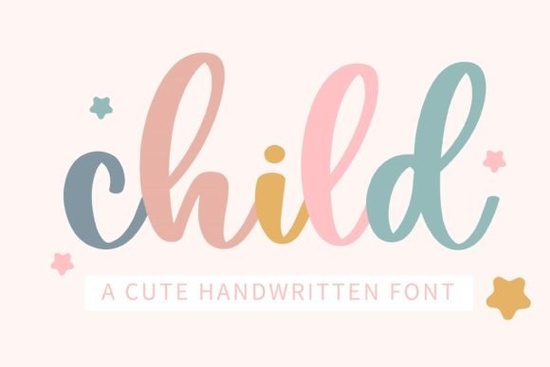
Selecting the right typography makes a massive difference in how your project feels. Sometimes, standard letters just won't capture the right mood, especially when you are working on something personal. For projects that require innocence, playfulness, or a gentle touch, Child Font offers exactly what you need without feeling childish or unprofessional. It bridges the gap between hand-lettered charm and digital reliability, making it easy to integrate into your workflow. Whether you are setting up a boutique online store or printing materials for a local event, getting the lettering right changes everything.
Why a Handwritten Style Works for Your Brand
In a market saturated with clean, rigid lines, handwriting adds a human element that customers notice instantly. People connect with brands that seem crafted by real hands rather than generated by algorithms. This font creates a sense of warmth and approachability. It suggests that the person behind the logo cares about the details, whether they are designing party invitations for their own children or creating tote bags for a Etsy shop.
The versatility comes from its legibility. Many decorative scripts sacrifice clarity for style, but this option remains readable at smaller sizes. This is vital for printable stickers or product labels where space is limited. You can adjust the kerning and spacing easily in your design software to ensure the message stays clear while maintaining that artistic flair. It pairs exceptionally well with simple geometric shapes or soft pastel backgrounds to highlight the text without cluttering the composition.
Finding the Right Texture for Your Project
Not every design needs the same level of softness. Depending on your specific goal, you might want to explore variations that lean into different textures. While you are focused on this particular collection, other designers might find a rougher edge suits their narrative better. If your aesthetic involves grunge elements or streetwear, checking out rough-texture collections can provide that necessary grit. Conversely, professional corporate communications often demand smoother flows, where you might look toward polished cursive sets instead.
Seasonality also plays a big role in font selection. A font that screams summer might feel completely out of place during November campaigns. If you are planning autumn-themed graphics, cozy seasonal options often provide the perfect backdrop for harvest festivals or pumpkin patches. For timeless pieces like heirlooms or vintage-inspired posters, looking at archives similar to classic retro styles helps ground the design in history. And for projects intended to last decades, such as family history books, sticking with timeless classics ensures the text never looks outdated.
Pairing and Compatibility Details
One of the biggest mistakes new designers make is trying to use two decorative fonts together. When you choose a dominant script like Child Font, pair it with a plain sans-serif or serif body type. Good contrast is the secret to readability. If your background is busy, use white space around the headline to let the letters breathe.
Technical compatibility is another area to consider before purchasing. Most of these files come in OTF or TTF formats, which work across most platforms. If you are using cutting machines like Cricut or Silhouette, verify that the path curves are correct to prevent errors during cutting. For web usage, embedding tools convert the vector data into web fonts, allowing you to display the design consistently across desktop and mobile screens. Just remember to check the licensing terms if you intend to resell items printed with this asset.
- Check File Formats: Ensure you have both TTF and OTF versions for maximum software support.
- Test Legibility: Type out your actual slogan before finalizing the layout to catch spacing issues.
- Licensing Scope: Confirm whether personal licenses allow commercial print-on-demand sales.
- Resolution Quality: Always work in high resolution (300 DPI minimum) for physical printing.
Tips for Small Business Owners
Sellers often worry that custom fonts violate copyright policies on marketplaces. Most Creative Fabrica licenses grant broad usage rights for merchandise, but reading the fine print protects your business later. If you sell on platforms like Amazon Merch or Redbubble, strict adherence to their asset rules is non-negotiable. Some platforms restrict using certain weights unless the designer owns the specific license required.
To stand out on social media, use this typeface for captions or quote graphics. The visual break between blocks of heavy text and light, handwritten notes keeps the eye engaged. It breaks up the monotony of standard interface fonts. If you run a blog, incorporating this font into your header logo or sidebar widgets gives your site a signature look that users start to recognize over time.
Next Steps for Your Design Workflow
Before you commit to a full brand overhaul, create a quick mood board to see how the font interacts with your current color palette. Test the name against potential taglines to ensure it conveys the message you intend. Once you have confirmed the fit, save the master file in your project folder for future edits. Having a dedicated archive prevents you from searching for downloads repeatedly when deadlines loom. By integrating these assets thoughtfully, you move from simply copying trends to building a distinct visual identity that grows with your efforts.
Explore Design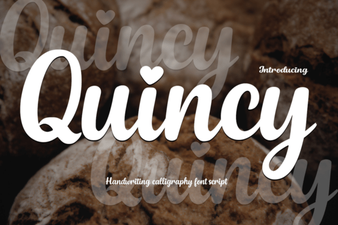 Quincy Font for Creative Web Design Projects
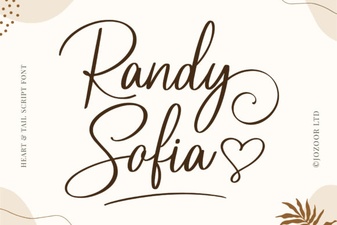 Randy Sofia Font for Creative Projects
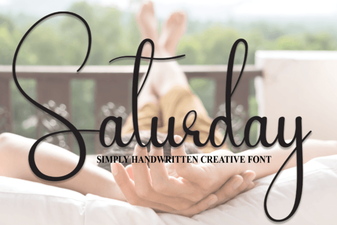 Saturday Font: Creative Design Ideas for Weekend Projects
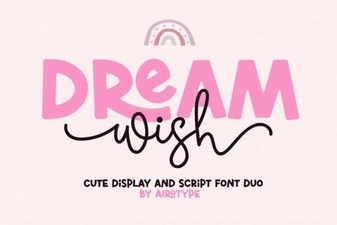 Dream Wish Font: Creative Typography for Designers
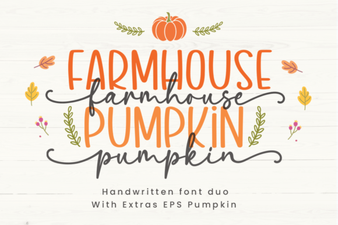 Versatile Pumpkin Fonts for Rustic Design Projects
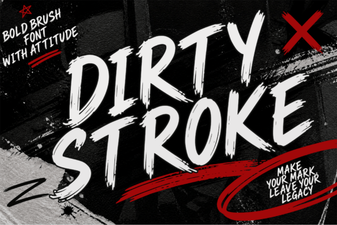 Crafting with Dirty Stroke: Creative Font Projects