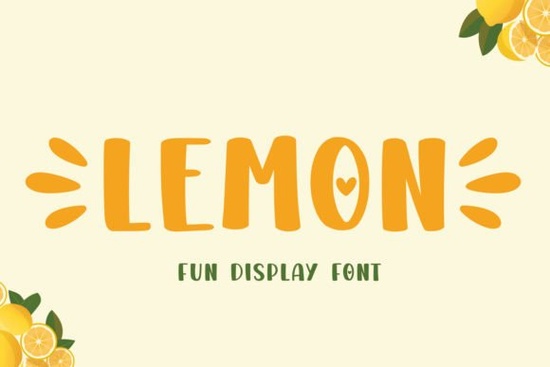
If you are looking for a typeface that instantly brightens your designs, the Lemon Font is a smart choice. It works well for anything from greeting cards to t-shirt prints because it blends playful curves with clear readability. This display font brings energy to layouts without overwhelming the viewer. Many users prefer it when they need something that looks fresh and welcoming.
One of the reasons designers love this style is how versatile it feels across different seasons. You can use it for summer festivals or back-to-school posters alike. The letterforms have enough weight to stand out on merchandise but stay friendly enough for invitations. When you open the file package, you will typically find formats like OTF and TTF, ensuring compatibility with most design software. This makes it easy to drop into Adobe Illustrator, Canva, or Silhouette Studio without extra conversions.
How does Lemon Font fit into my brand?
Choosing a single typeface changes the mood of your entire business presence. With lively strokes and whimsical details, this font communicates happiness and warmth. Small businesses selling handmade goods often look for fonts that feel personal rather than corporate. Because it falls under the cute and display categories, it pairs nicely with hand-drawn graphics or watercolor backgrounds. It prevents your branding from looking too stiff or rigid.
You might consider pairing this with another typeface for body text if you plan to write long descriptions. A simple sans-serif helps balance the visual noise of the headline. Think about where the logo will sit. Large text works better than small text with display fonts because some decorative elements rely on size to shine. If you shrink it too much, you might lose the character that makes it special. Always test your choices in black and white first to check contrast.
What creative projects work best?
There are plenty of ideas where this tool shines. Greeting card makers often reach for it during holidays like Valentine’s Day or Mother’s Day. The soft edges feel appropriate for expressing affection. Crafting enthusiasts use it for vinyl cutting machines to make signs or home decor items. You might cut letters out of cardstock to assemble custom party banners. It also works well for embroidery patterns if the machine settings allow for thicker stitch density.
Print-on-demand sellers can leverage the summer and spring keywords in their listings. Customers searching for festive designs often appreciate this specific aesthetic. If you are making stickers, the playful nature translates very well on small surfaces. Just make sure to account for color gradients in the mockups since flat colors may not capture the full texture. Review the license agreement before selling physical products to ensure you have the rights to resell finished items.
Are there similar fonts worth checking out?
While this typeface stands on its own, exploring variations can help you find the perfect match for your next task. If you want something with rounded shapes, you could look at Strong Bubble Font. That option offers similar friendliness but with slightly more volume. For a magical feel that fits children's books, consider Magic Unicorn Font. It leans heavier into fantasy elements while keeping the display quality high.
Sometimes you might want a bolder, chunkier look for headlines that need to shout louder. In that case, trying Summer Chunky Font gives you a heavy impact suitable for posters. On the opposite end of the spectrum, if you need something with intricate details for elegant invitations, you might explore De Augusta Font. That style brings class instead of casual fun. Finally, for night-themed projects or starry designs, Nebulan Star Typeface Font provides a space-inspired alternative.
How do I install and customize it?
Once you download the zip folder, unzip it to reveal the files. Most systems let you double-click the font file to install it directly. Windows users access the font manager, while Mac users handle installations through the Fonts application. After installing, restart your design program to refresh the library list. If you need to adjust spacing, open the kerning panel in your software. Tightening the spaces between specific letter pairs can improve legibility, especially when combining short vowels.
Some designers duplicate the text layer and apply effects to create shadows or outlines. Try adding a solid color stroke to make the letters pop off a busy background. Alternatively, you can convert the font outline into vector shapes. This allows you to stretch or manipulate individual parts of the letter without distorting the whole shape. Remember that converting to shapes permanently changes the file, so save a copy with the editable text first.
- Test Readability: Resize the text to see how it performs at thumbnail sizes.
- Check Color Contrast: Ensure the font remains visible against light and dark backgrounds.
- Review Licensing: Confirm if commercial use includes physical merch or just digital ads.
- Pair Wisely: Stick to simple fonts for body text to avoid clashing styles.
Using the right tools makes the creative process smoother and the final result more professional. When you choose a font that aligns with your vision, communication becomes clearer. Take the time to experiment with spacing and color schemes. By testing a few variations, you can ensure your project looks polished before sharing it with the world.
Download Now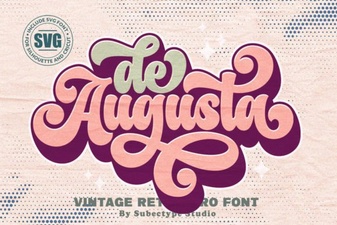 De Augusta Font for Creative Branding & Design Projects
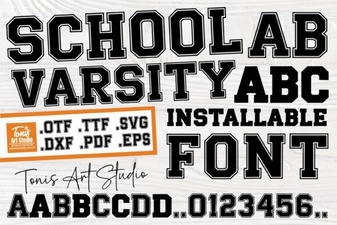 School Varsity Fonts for Your Next Creative Project
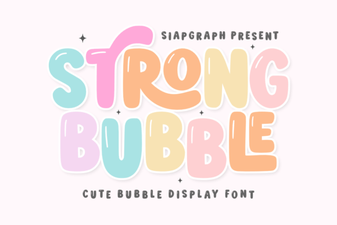 Creative Bubble Font Projects for Your Designs
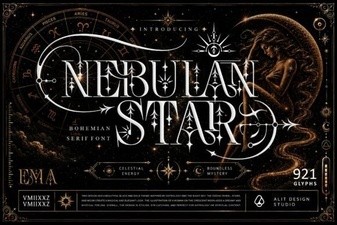 Nebulan: a Futuristic Font for Creative Projects
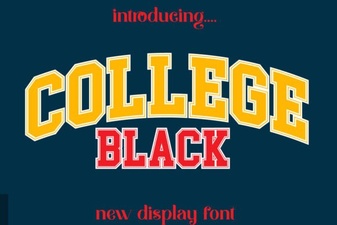 College Font Projects for Graphic Design
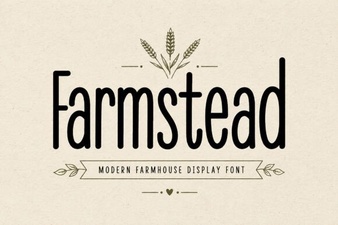 Farmstead Font for Cozy Creative Projects